March is Women’s History Month, a time to recognize the women whose discoveries have shaped our understanding of the world.
From uncovering ancient fossils to studying animal behavior and protecting ecosystems, women have played a vital role in advancing the natural sciences. Here are five scientists whose work has changed the way we understand nature.
1. Mary Anning
In the early 1800s, along the rocky cliffs of Lyme Regis on England’s southern coast, Mary Anning found fossils that would shift our perception of life on Earth. As a young fossil collector, she searched the shoreline for fossils exposed by storms and landslides. At a time when paleontology was still a developing field, her careful observations and remarkable finds helped reveal a world of prehistoric animals that had long since vanished.
Anning’s most famous findings included excavating an Ichthyosaurus and revealing the first intact Plesiosaurus skeleton. These fossils provided some of the earliest clear evidence that entirely different animals had once lived on Earth and later gone extinct—an idea that challenged how people thought about the planet’s history.
Many of the fossils Anning uncovered eventually ended up in museum collections, often without acknowledging her role in their discovery, leaving much of her impact undocumented. However, Anning’s work became integral to the field of paleontology. Today, paleontologists continue to study fossils like the ones she discovered to interpret ancient ecosystems and the long history of life on Earth.
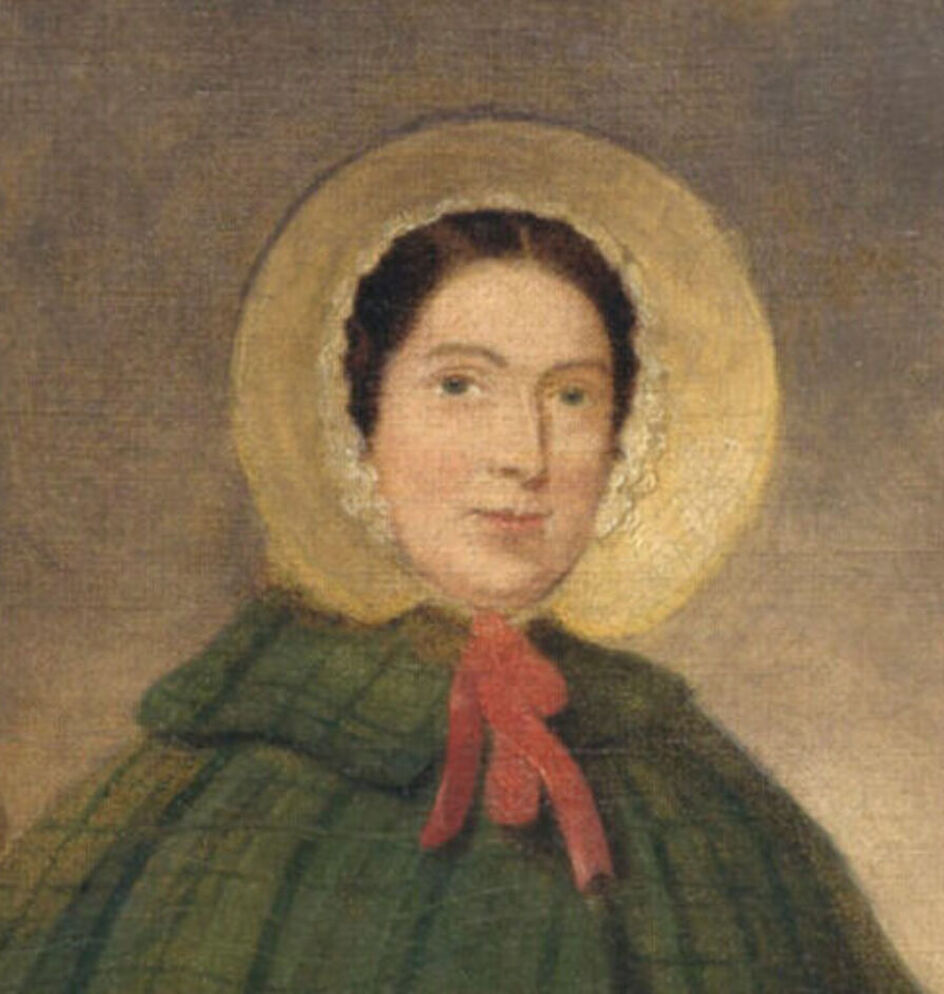
Credited to 'Mr. Grey' in Crispin Tickell's book 'Mary Anning of Lyme Regis' (1996), Public domain, via Wikimedia Commons
2. Mary Leakey
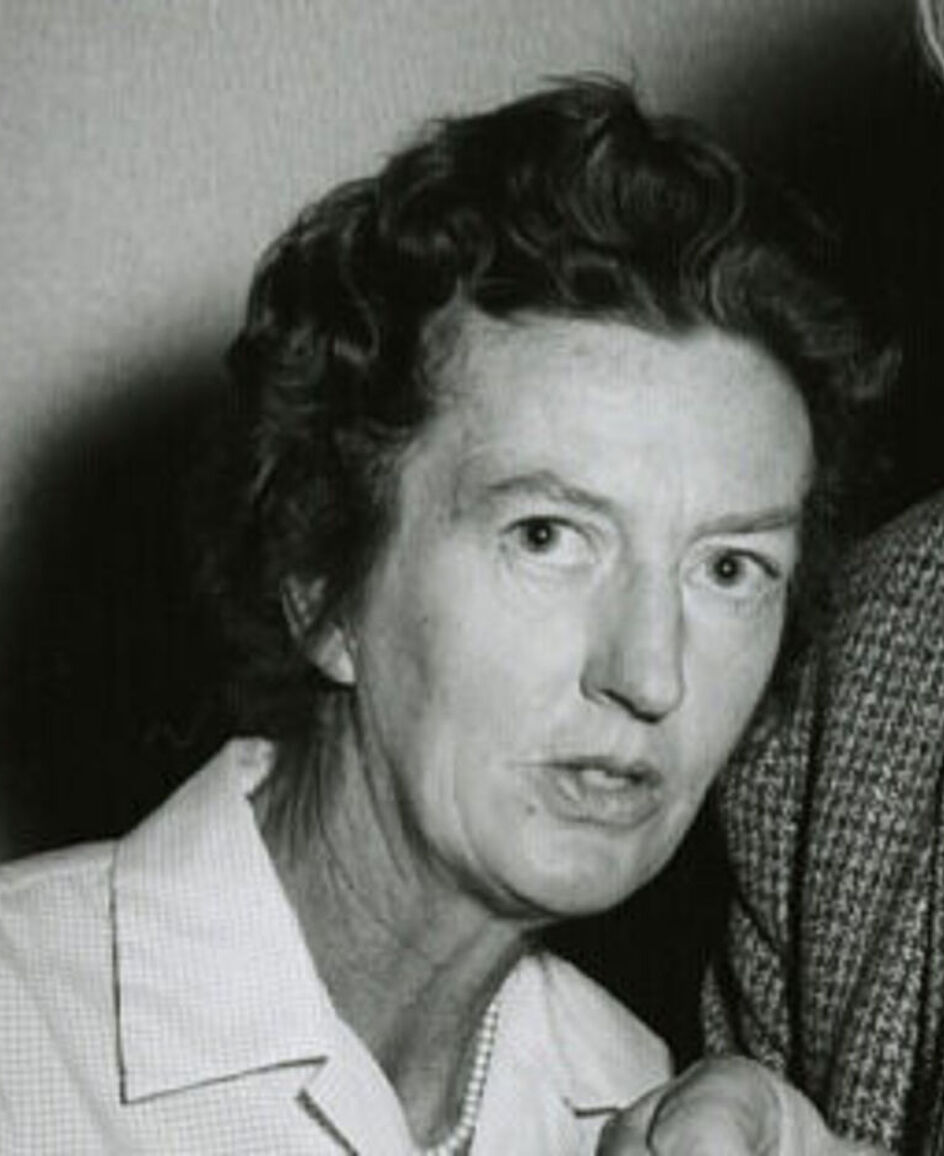
Smithsonian Institution Archives, Accession 90-105, Science Service Records, Image No. SIA2008-5177
In the late 1970s, a team of researchers working in Tanzania uncovered a trail of ancient footprints preserved in ash—evidence that early human ancestors were walking upright more than 3 million years ago. This team was led by Mary Leakey, an established British paleontologist, and their discovery became known as the Laetoli footprints.
These footprints revealed that bipedal primates, also known as hominins, had been walking the Earth much earlier than originally thought. In fact, scientists believe the hominins who made these footprints belonged to the same family as Australopithecus afarensis. That name might sound familiar—it's the same species as Lucy, one of the Cleveland Museum of Natural History’s most famous residents! (You can stop by and say hello in the Visitor Hall!) However, this was not Leakey’s first significant identification; her many achievements include unearthing a 1.8-million-year-old skull of Paranthropus boisei, an ancient ancestor to modern humans, as well as fifteen new species of animal.
Leakey’s work continues to play a major role in how scientists understand human evolution today. Early in her career, her discoveries were often credited to or published jointly with her husband, Louis Leakey, another prominent paleontologist. After his death in 1972, she continued to make groundbreaking discoveries, such as the Laetoli footprints, and earn respect for her work to advance the study of human origins.
3. Rachel Carson
Long before environmental protection became a global priority, marine biologist and science writer Rachel Carson began asking difficult questions about how human activity was affecting the natural world. She was a well-established writer across a variety of natural sciences when she took an interest in the federal government’s use of pesticides and their effects on the environment.
Carson had been concerned about synthetic pesticides since the mid-1940s, but it wasn’t until 1962, when she published her fourth book, Silver Spring, that she wrote anything on the topic. The book was a compilation of years of research and questioned the right that humans had to assert their dominance over the natural world, in this case through the use of pesticides. Silver Spring faced major pushbacks from the chemical industry.
Those who benefited from the use of synthetic pesticides—DDT specifically, which was the focus of Carson’s argument—used her gender in an attempt to discredit her. However, Carson didn’t let this stop her and eventually testified in front of a Congressional committee helping to get DDT banned. Today, both Carson and her book are widely recognized as cornerstones of the environmental movement—a movement that focuses on protecting the natural world from harmful practices.
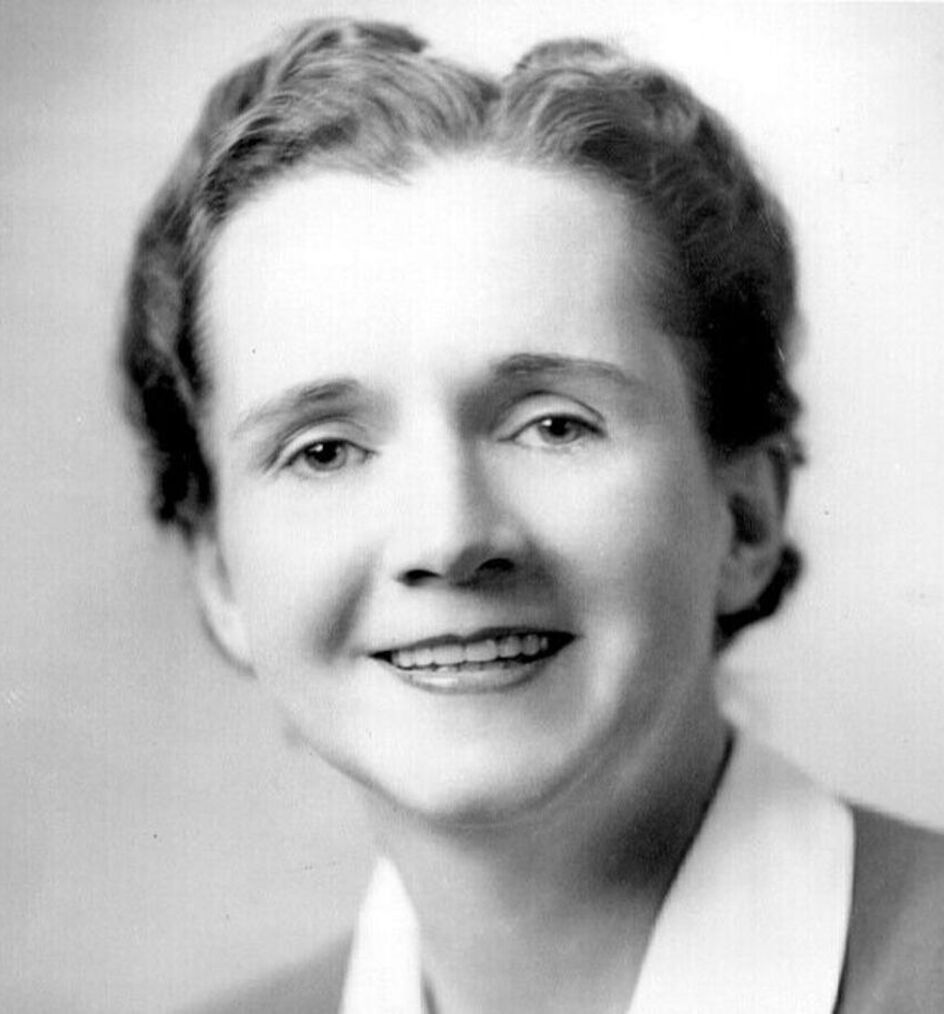
Rachel Carson.png, USFWS, Public Domain, https://www.fws.gov/media/rachel-carsonpng
4. Wangari Maathai
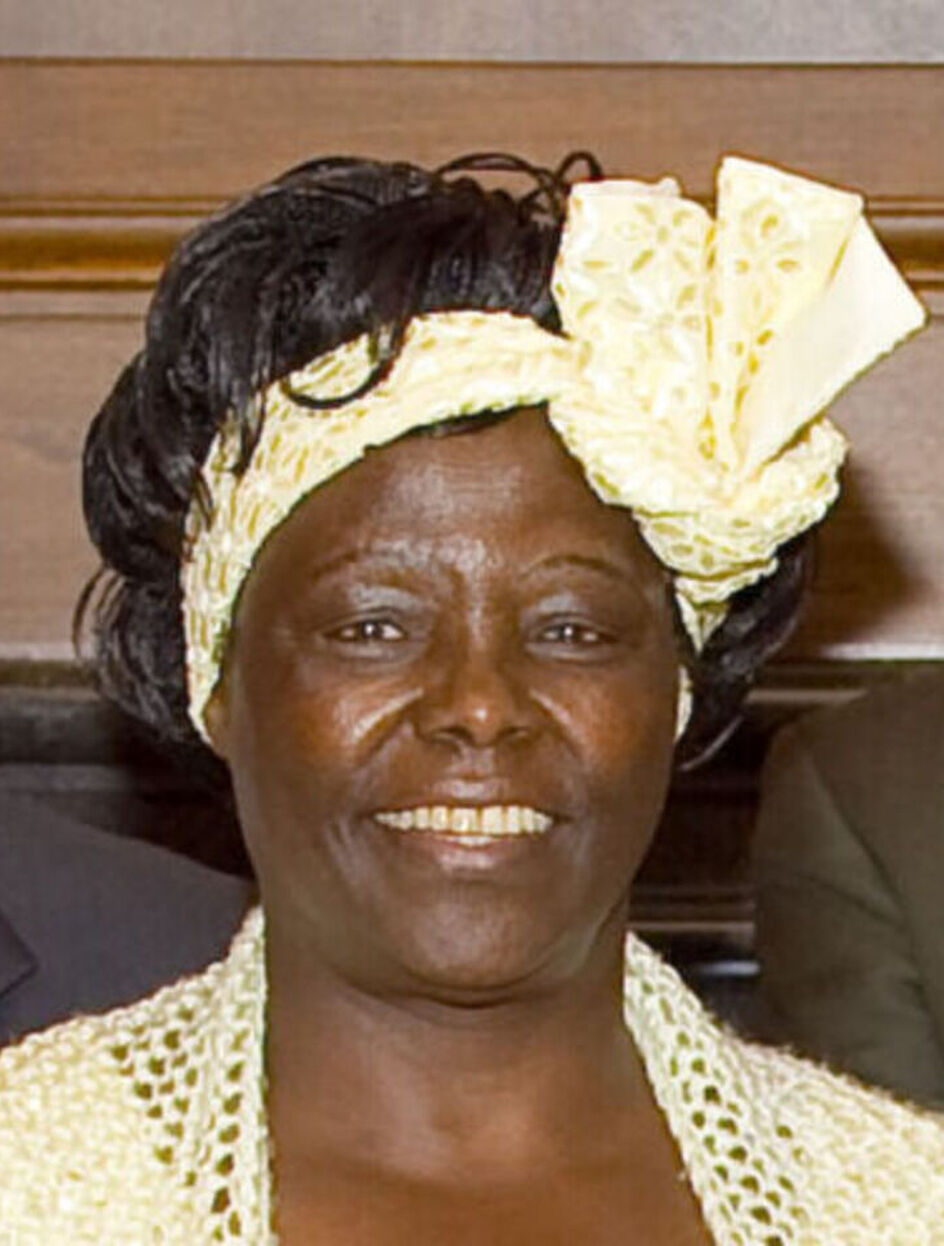
Courtesy National Archives, Identifier 6909471
Throughout the 1970s, across Kenya, widespread deforestation was degrading ecosystems and making it harder for communities to access essential resources like firewood and clean water. Kenyan environmental activist Wangari Maathai believed that restoring the environment could also strengthen the groups that depended on it, especially women. This led her to create the Green Belt Movement, a grassroots organization that empowers women through the planting of trees.
The Green Belt Movement began with tree-planting programs located in communities that had little access to basic resources. The new tree belts provide multiple environmental benefits. They offered shade and helped protect the land from erosion by blocking the wind. The roots improved soil conservation, while the new vegetation enhanced the beauty of the landscape and created habitats for the birds and other small animals. Plus, the program offered jobs and opportunities for women.
Maathai spent most of her life uplifting women alongside her work to improve the environment. She faced obstacles in multiple areas of her life and, like Carson, endured attacks on her movement that were often rooted in sexism. She did not let these attacks stop her, and in 2004, Maathai became the first African woman to win the Nobel Peace Prize for her endeavors. Since its inception, the Green Belt Movement has spread across Africa, planting over 51 million trees.
5. Jane Goodall
For many years, people believed that humans were the only animals capable of making and using tools. This all changed due to Jane Goodall, a renowned scientist and activist. She spent over six decades completing field research on chimpanzees in Tanzania. Through her observations, Goodall showed that chimpanzees display behaviors once thought to belong only to humans. However, she didn’t originally intend to study tool use.
Goodall first went to Tanzania in 1960 to observe chimpanzees’ social and family relationships, but her careful observations led to two discoveries that challenged long-held scientific beliefs: chimpanzees are omnivores, not herbivores, and humans are not the only species to use and make tools. At the same time, her long-term observations of the chimpanzee community in Tanzania revealed complex behaviors and social structures that transformed how we grasp the complexities of animal communities.
Throughout her life, Goodall visited the Museum on several occasions, most recently in 1997. During that visit, the Museum presented her with an award in recognition of her contributions to the international scientific community. You can read more about the award and even watch her acceptance speech in our recent blog.
In the mid-1980s, Goodall shifted her focus to conservation, which became a major focus for the rest of her life. When she began her work, it was a very male-dominated field, and Goodall had to labor to be respected. Her trailblazing efforts helped pave the way for the field to have one of the highest proportions of female to male scientists.
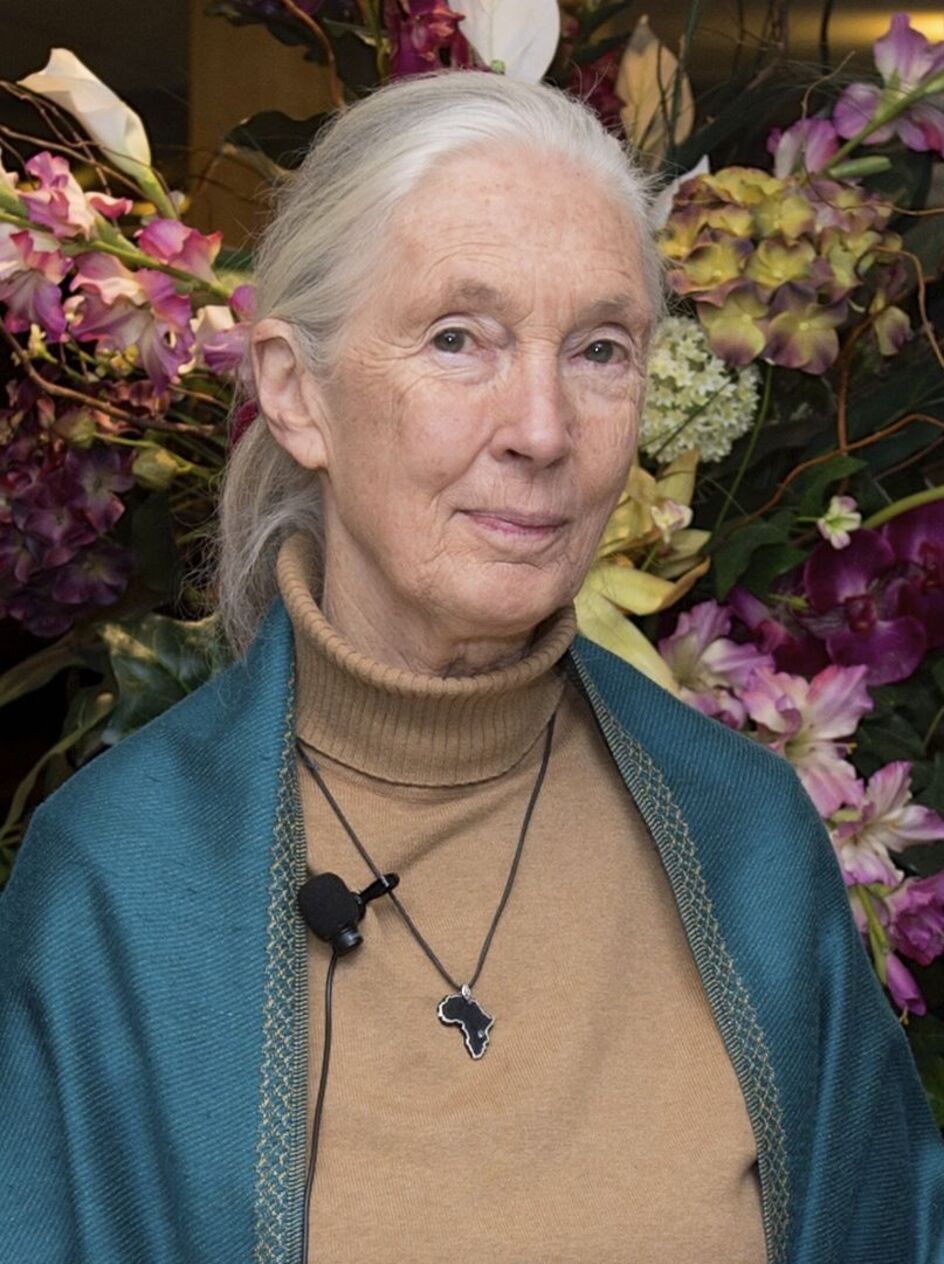
(Cropped) “Deputy Secretary Higginbottom Poses for a Photo With Dr. Jane Goodall and the State Department's Global Health Diplomacy Director Jordan in Washington” by U.S. Department of State, United States Government Work
These five scientists represent just a handful of the many women who have played a major role in our current perception of the world. From uncovering ancient fossils to studying animal behavior to protecting ecosystems, these women helped transform the scientific field. Their deductions challenged long-held assumptions and expanded knowledge across the scientific community.
At the Cleveland Museum of Natural History, our scientists continue this legacy of discovery every day. Many of the researchers advancing our understanding of the natural world are women who are conducting groundbreaking work across a wide range of scientific disciplines. Visitors can learn more about this research every Sunday through our In The Lab series, which offers the opportunity to meet Museum experts and explore the processes that help us understand our history and place in the natural world.

