On warm summer evenings in Northeast Ohio, it doesn’t take long to spot the flicker of a firefly.
They drift over lawns, gather near wooded edges, and blink across meadows like tiny floating lanterns. For many of us, fireflies are one of the clearest signs that summer has arrived. But why do these insects glow in the first place?
Fireflies Make Their Own Light
Fireflies produce light through a chemical reaction called bioluminescence, or the ability of living organisms to create light. It is predominantly found in marine environments with approximately 75% of deep-sea creatures possessing the ability. It is often seen when tiny plankton known as dinoflagellates that live at the top of the water are disturbed and creates seemingly glowing waves.
Fireflies combine a chemical called luciferin with oxygen and an enzyme called luciferase inside specialized organs in their abdomens. The reaction produces light with almost no heat, making it one of the most efficient forms of light in nature. The yellow-green flashes we see on summer nights are the result of this remarkable process.

They’re Sending Messages
Although fireflies are beautiful to watch, their glowing displays serve an important purpose: communication. Most adult fireflies flash to attract mates. Some produce single flashes, while others blink in short bursts or specific rhythms.
By recognizing these patterns, fireflies can identify members of their own species. The timing of the flashes matters too. Males often fly while flashing, and females, usually resting on vegetation, respond with their own signals. What may look like random blinking lights is actually a carefully timed conversation.
Firefly or Lightning Bug?
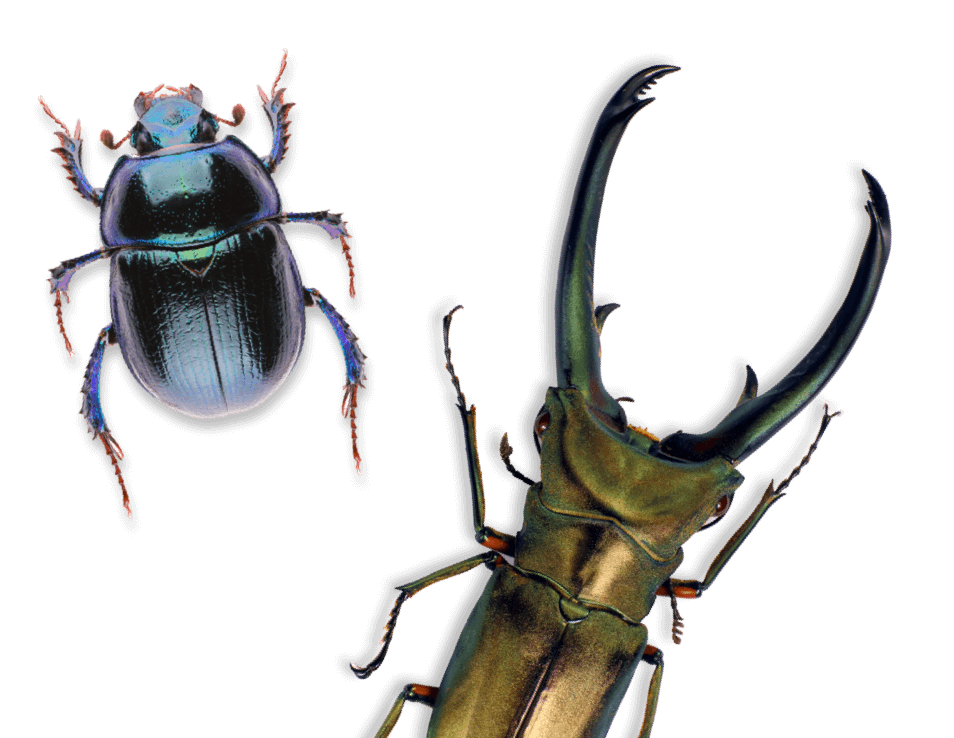
The names “firefly” and “lightning bug” are often used interchangeably, and both refer to the same type of insect. Neither name is entirely accurate. Fireflies are not flies at all—they are a type of beetle. And while they don’t create lightning, their flashes can resemble tiny bursts of light in the night sky.
More than 2,000 species of fireflies exist worldwide, and dozens can be found in North America. They belong to the Lampyridae family of beetles, which originates from lampiris, the Greek word meaning “to shine.” Different species emerge at different times and can be identified by their unique light displays.

Why Do We See So Many Fireflies in Summer?
Fireflies thrive in warm, humid conditions, making Northeast Ohio’s summer evenings ideal for these insects. They prefer habitats with grasses, shrubs, leaf litter, and moist soils. June and July provide the combination of warmth and habitat conditions that support their nighttime displays.
Their flashes are also easier to see during the long, dark evenings of summer. Because fireflies are sensitive to changes in their environment, their presence often signals a healthy ecosystem.
Are There Fewer Fireflies Today?
If you feel like you saw more fireflies when you were a child than you do today, there may be a reason. There are several possible explanations as to why some firefly populations may be declining. Habitat loss is one of the biggest challenges. As natural areas are developed, fireflies lose the meadows, wetlands, and other wooded spaces they depend on. Artificial lighting can also interfere with their ability to communicate. Porchlights and floodlights can make it difficult for fireflies to see one another’s signals.
Pesticides may also affect fireflies by harming the insects and other small organisms that are part of their ecosystem. Changes in climate and weather patterns can further alter the habitats they need to survive. Although not every firefly species is declining, researchers are increasingly studying how environmental changes may affect these beloved insects.

Helping Fireflies Shine
Fortunately, there are simple ways to support fireflies in your own community. Reducing unnecessary outdoor lighting and preserving natural habitats are a few ways to help wildlife in your own backyard. The next time you see fireflies blinking across your backyard or nearby park, take a moment to appreciate what you’re witnessing.
Curious about the habitats that help fireflies thrive or learning about other native Ohio species? Visit the Natural Areas Gallery in the Evolving Life Wing to explore Ohio’s ecosystems and the importance of protecting biodiversity.